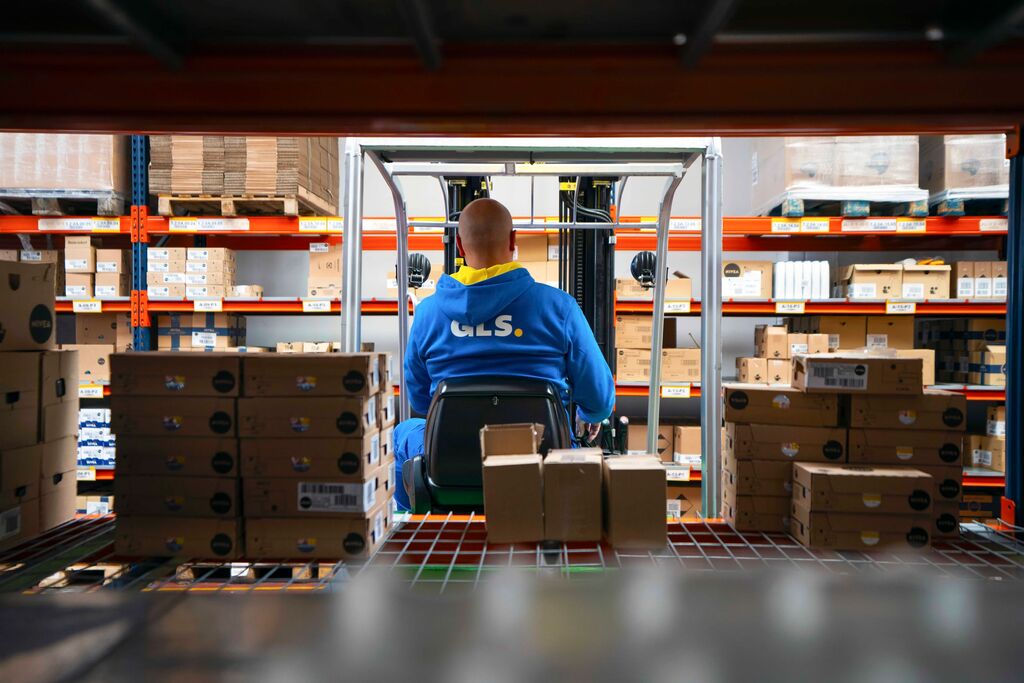
Managing transportation, warehousing, and returns often becomes a bottleneck for growing businesses. Attempting to handle the entire infrastructure required for efficient distribution in-house consumes valuable resources and diverts attention from what truly matters: driving sales. The strategic solution to this challenge is 3PL logistics, or third-party logistics, an operational model that allows businesses to outsource their supply chain to experienced specialists.
At GLS Fulfilment, we take an in-depth look at how a 3PL logistics provider works, how it differs from other market alternatives, and the competitive advantages that third-party logistics can bring. This model is especially relevant in Spain, where demand for highly specialized transport and logistics solutions continues to grow.
How Does Third-Party Logistics (3PL) Work?
In essence, 3PL logistics involves an external provider taking responsibility for part or all of a company’s logistics operations. This includes transportation, warehousing, inventory management, distribution, and, in some cases, returns and reverse logistics.
Rather than managing every process internally, businesses rely on a 3PL provider that supplies the infrastructure, specialized personnel, and technology needed to optimize the supply chain. This enables companies to scale operations quickly, adapt to demand peaks, and improve operational efficiency without making significant investments in their own resources.
Technology integration is also essential. A strong 3PL partner provides real-time tracking systems, performance reporting, and operational control tools that simplify planning and ensure shipment visibility throughout the entire logistics process.
Within this logistics model, the term fulfilment refers to the complete set of processes that include warehousing, inventory management, order preparation (picking and packing), shipping, and returns management. These services are part of the GLS Fulfilment offering for businesses looking to outsource their logistics operations.
GLS Fulfilment, for example, combines national infrastructure with an international network, advanced real-time tracking technology, and tailored services for eCommerce and retail businesses, positioning itself as a leading 3PL logistics provider in Spain.
What Services Does a 3PL Logistics Provider Offer?
The services provided by a 3PL logistics operator are typically tailored to each company’s requirements, combining transportation, warehousing, and order management solutions. Key services include:
National and International Transportation
In this model, transportation covers both domestic and international routes, coordinating deliveries through local carriers and global logistics services. This ensures products arrive on time, comply with customs regulations, and follow optimized routes that reduce both costs and transit times.
Distribution, Deliveries, and Returns Management
Within outsourced logistics, a provider such as GLS not only delivers products to the end customer but also manages returns efficiently, making it particularly valuable for eCommerce businesses. Reverse logistics helps reduce incidents, speed up refunds, and enhance customer satisfaction.
Shipment Tracking and Operational Control
Thanks to shipment tracking technology, businesses can monitor every delivery in real time. A 3PL partner provides complete visibility throughout the shipping journey, including incident alerts and performance reports, making decision-making easier and supporting compliance with service standards. This is one of the key benefits of outsourcing logistics services.
The Advantages of Working with a 3PL Provider
Partnering with a 3PL operator goes beyond outsourcing logistics tasks; it represents a strategic shift that can transform both the efficiency of your business and the experience of your customers. 3PL logistics combines resources, technology, and specialized expertise, allowing businesses to scale operations without compromising quality. Below are some of the most significant benefits for eCommerce logistics.
Scalability and Logistics Flexibility
One of the greatest advantages of outsourcing logistics services is the ability to quickly adjust operations according to demand. During peak seasons, promotional campaigns, or product launches, a 3PL logistics provider can absorb shipping peaks and manage increased volumes without requiring investments in additional warehouse space, vehicles, or staff.
This flexibility enables businesses to operate more efficiently and respond rapidly to changing market conditions without overburdening internal structures.
Reduced Costs and Operational Workload
By centralizing transportation, warehousing, and distribution with a 3PL partner, businesses can optimize resources and reduce operational expenses. On one hand, transportation and inventory management costs decrease; on the other, internal teams gain more time to focus on strategic initiatives.
In Spain, for example, 3PL logistics gives companies of all sizes access to comprehensive logistics solutions without committing capital to infrastructure or dedicated warehouse space, making every operation more efficient.
Improved Customer Experience
A third-party logistics provider delivers direct value to the end customer. From faster and safer deliveries to real-time shipment tracking and efficient returns processes, the entire purchasing experience becomes more reliable.
In addition, professional incident management and advanced shipment visibility help reduce delivery issues, strengthening customer loyalty and improving brand perception.
Differences Between 3PL and 4PL Logistics
When considering logistics outsourcing, many companies confuse the different levels of integration and outsourced logistics models available today.
While a 3PL provider takes responsibility for the physical execution and day-to-day management of activities such as transportation and warehousing, a 4PL operator acts as a strategic consultant that oversees and coordinates multiple service providers, focusing primarily on organization, integration, and process optimization.
Choosing between a 3PL and a 4PL depends on the level of control and integration your company requires. However, for many businesses seeking operational efficiency and logistics flexibility, working with a 3PL partner is sufficient to outsource transportation, distribution, returns management, and shipment tracking while maintaining full visibility over operations.
GLS, for example, combines national infrastructure, an international network, advanced real-time tracking technology, and tailored services for eCommerce and retail companies, making it a benchmark 3PL logistics provider in Spain.
How to Choose a 3PL Provider or Partner in Spain
Now that you understand the key characteristics and functions of a 3PL provider, it is time to determine how to select the best logistics partner for your business.
Coverage and Distribution Capacity
Make sure the logistics provider has the infrastructure needed to operate efficiently in all regions where your current and potential customers are located. It is not enough to offer local deliveries; the provider should also deliver fast, reliable, and consistent services nationally and internationally if you plan to expand.
A broad distribution network with strategically located warehouses and company-owned depots allows you to consolidate your logistics operations under a single point of contact. This results in greater delivery consistency and the ability to provide urgent last-mile services without significantly increasing transportation costs.
Technology, Visibility, and Tracking
Complete inventory and transportation visibility is a requirement in modern commerce. The 3PL provider you select should offer advanced digital tools that integrate seamlessly with your company’s systems or eCommerce platform, enabling automated data exchange.
This technological ecosystem should provide accurate inventory control and real-time shipment tracking, allowing your team to react quickly to potential disruptions. Furthermore, a transparent platform gives end customers precise information about the status of their parcels, significantly reducing customer service inquiries and supporting data-driven operational planning.
Experience in eCommerce, Retail, and B2B
Industry expertise is a key factor in ensuring smooth and reliable service. Every business model comes with unique logistics requirements, so your partner should demonstrate proven success in handling operations similar to yours.
eCommerce businesses require exceptional speed in processing individual orders and efficient reverse logistics management, while retail and B2B operations demand compliance with strict delivery protocols for large stores and commercial warehouses.
An experienced provider will know how to handle sensitive goods, optimize packaging to reduce costs, and manage seasonal demand peaks without compromising security or delivery times.
GLS as a 3PL Logistics Provider for Businesses
GLS Spain combines national infrastructure with an international network, advanced technology, and reverse logistics services. With more than 47,000 Parcel Shops and real-time tracking systems, GLS enables businesses to scale operations, enhance customer experiences, and maintain operational control without the need for fixed infrastructure investments.