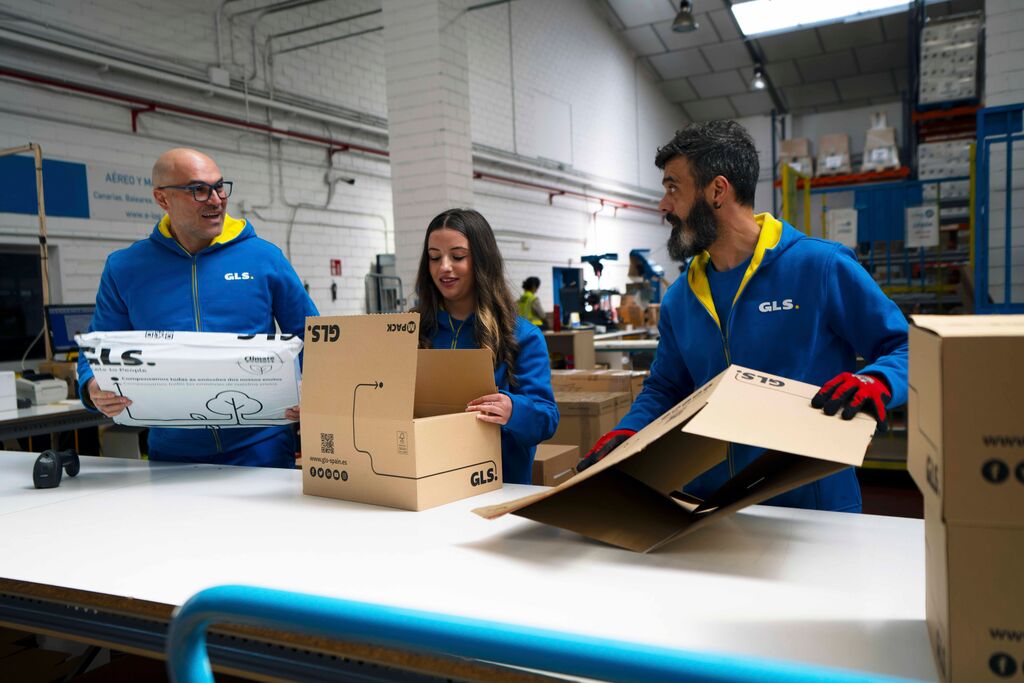
Knowing how to properly pack a parcel is essential to ensure it arrives at its destination undamaged. This practical guide explains step by step everything you need to know to protect any type of shipment correctly, especially when using a cardboard box, the most common and effective method.
Materials Needed to Pack a Parcel
Before you start packing, gather everything you need. This will help avoid improvised mistakes that could compromise the integrity of the shipment:
- Sturdy cardboard box, preferably new and double-walled.
- Padding materials such as bubble wrap, packing peanuts, foam, crumpled paper, inflatable bags, or kraft paper.
- Good-quality packing tape.
- Scissors or a utility knife for clean cuts.
GLS Tip: choose boxes adapted to the contents: not too big or too small, with enough space for protective materials.
GLS Tip: combine different materials depending on the fragility and shape of the items for optimal protection.
Step-by-Step Guide to Properly Pack a Shipment
Packing parcels isn’t complicated, but there are some key factors to consider. Here are all the points you should follow:
Choose the Right Box
A good box is your first line of defense. Avoid reused or damaged boxes: even if they appear to be in good condition, they may have invisible weaknesses. Ideally, it should be made of corrugated cardboard, single or double-walled depending on the weight of the contents.
Size also matters. If the box is too large, the contents may shift; if it’s too small, you won’t be able to protect them properly. Always aim for balance.
Protect the Contents
The interior should act like a cushion. Wrap each item individually, especially fragile ones or items with moving parts, and place them so they do not touch each other or the walls of the box. Fill any gaps with padding material and gently shake the box to ensure everything stays in place.
If you are sending fragile, electronic, or delicate items, each type of content requires specific care. Check out our complete guide on
how to safely send a fragile parcel for more details.
Seal the Box
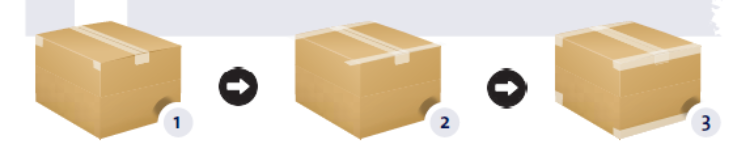
Use wide, strong packing tape for a secure seal. The H-method —one central strip and two crossed side strips— ensures a firm and durable closure.
Do not use string, masking tape, or decorative closures. These materials do not withstand movement and may compromise the automated transport process.
Verify the Parcel is Well Packed
Before sending, review the key points:
- Is the content fixed and well-protected?
- Does the box maintain its shape when lifted?
- Is the sealing tape strong and properly applied?
- Is the label clear and correctly placed?
Common Mistakes to Avoid
- Using weak or damaged boxes.
- Not filling gaps, allowing items to move inside.
- Sealing with decorative tape, masking tape, or materials that cannot withstand transport.
- Overloading the box beyond its capacity.
If everything is in order, your parcel is ready to travel with the security that GLS guarantees.
Packing a parcel correctly goes far beyond simply placing something in a box. It’s about protecting memories, important purchases, products you work with, or thoughtful gifts you want to arrive safely. At GLS, we help you take care of every step because we understand that behind every shipment there’s more than just an object.
For more details on how to pack each type of shipment correctly, download our GLS Packing Guide.